 celebyachts.com
The maritime broadsheet of public waters · Register current through 27 Jul 2026
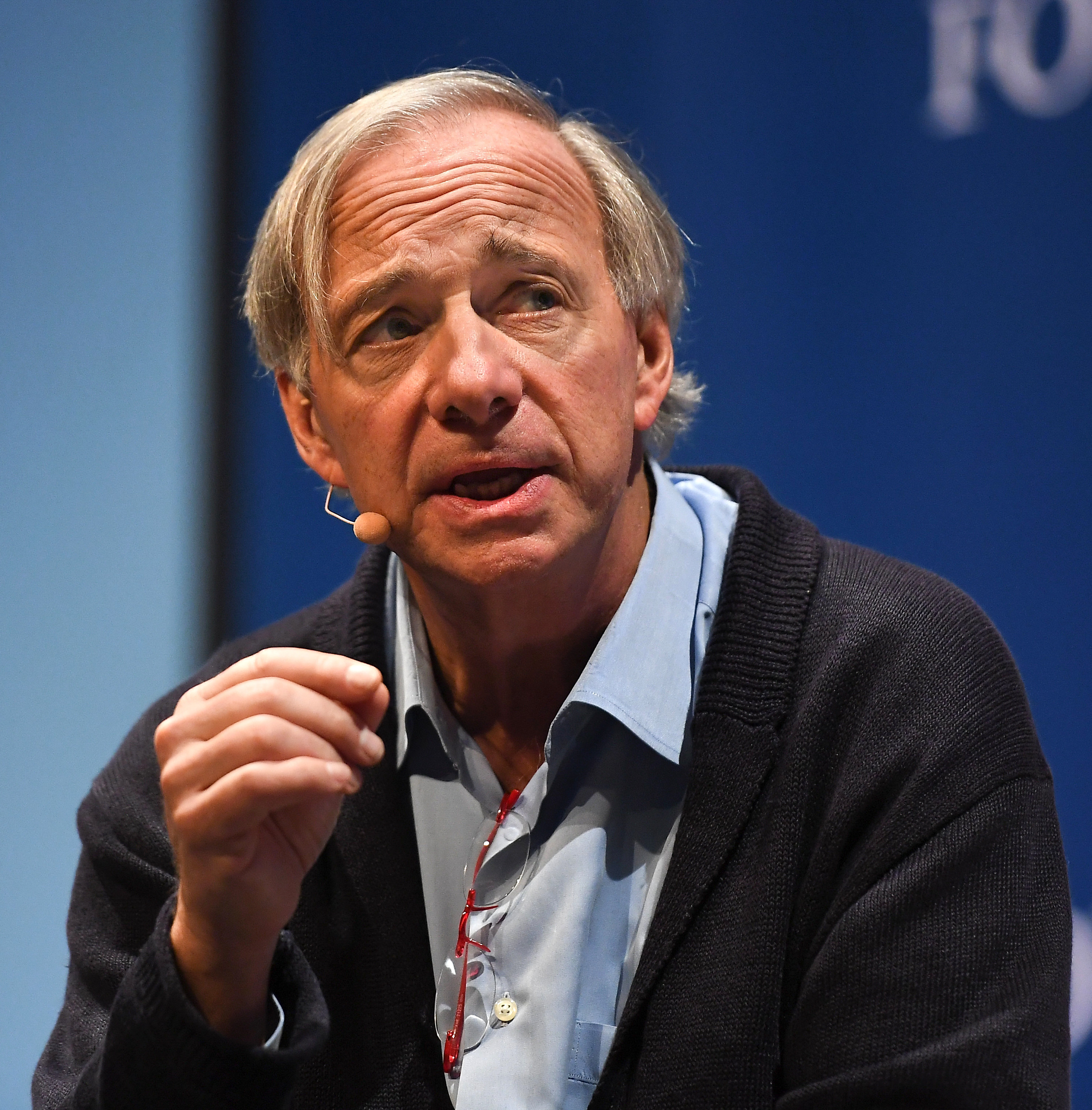
American investor and hedge fund manager (born 1949)
Raymond Thomas Dalio is an American billionaire investor and founder of Bridgewater Associates, one of the world's largest hedge funds.
Dalio was born in the Jackson Heights neighborhood of New York City's Queens Borough. He is the son of the Italian-American parents, jazz musician Marino Dallolio (1911–2002), and Ann, a homemaker. When he was 8, his family moved from Jackson Heights to Manhasset in Nassau County, Long Island, New York. He attended Herricks High School. He then received a Bachelor of Science degree in Finance from C.W. Post College of Long Island University. After graduating from C.W. Post College, Dalio worked as a clerk on the New York Stock Exchange. He received an MBA from Harvard Business School in 1973.
In 2014, he reportedly earned $1.1 billion, including a share of his firm's management and performance fees, cash compensation and stock and option awards. In 2015, Forbes estimated his net worth at $15.4 billion, making him the second-wealthiest hedge fund manager after George Soros. In 2018, Dalio was estimated to have personally received $2 billion in compensation for the year, after his fund posted a 14.6% return. In March 2019, Forbes named Dalio one of the highest-earning hedge fund managers and traders. According to Forbes, Dalio has an estimated net worth of $20 billion as of January 21, 2022, ranking him 88th on their billionaires list and 36th on the Forbes 400 list. Bloomberg News reported his net worth as $15.7 billion in the same month, reflecting different valuation methodologies for his Bridgewater stake. As of February 2026, following his full exit from Bridgewater, Bloomberg estimated his net worth at approximately $20 billion.
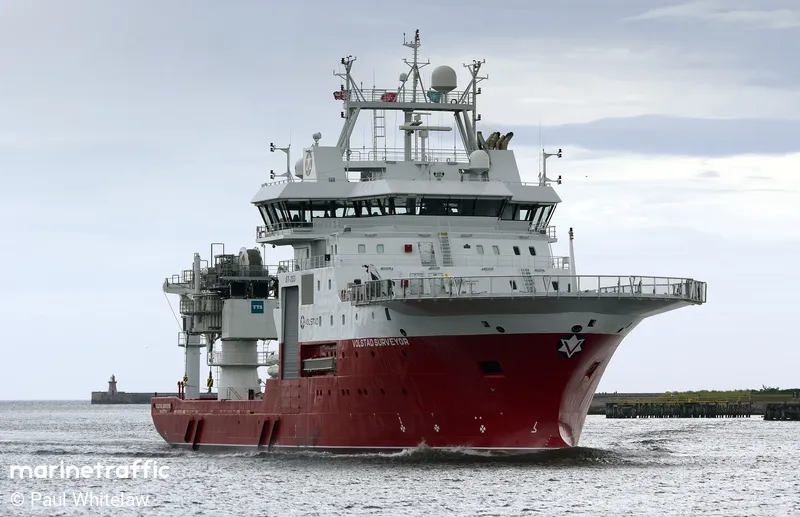
In 2003, Ray and Barbara Dalio create the Dalio Foundation, which later become part of Dalio Philanthropies. The Dalio family has donated more than $5 billion to his Dalio Foundation, and the foundation has given out more than $1 billion in charitable grants. In April 2011, Dalio and his wife joined the Giving Pledge, vowing to donate more than half his fortune to charitable causes within his lifetime. Dalio has sat on NewYork–Presbyterian Hospital's board of trustees since 2020. In February 2020, the Dalio Foundation donated $10 million to support China's coronavirus recovery efforts in response to the COVID-19 pandemic. In March 2020, the foundation gave $4 million to the state of Connecticut to fund healthcare and nutrition. On October 13, 2020, NYP launched the Dalio Center for Health Justice with a gift of $50 million. The foundation has supported the Fund for Teachers, David Lynch Foundation, National Philanthropic Trust, and TED's Audacious Project. Dalio's research yacht and submarine have appeared on the Discovery Channel during Shark Week and have been used to hunt for a giant squid. In 2018, OceanX, an initiative of the Dalio family, and Bloomberg Philanthropies committed $185 million over four years to protect the oceans. In 2019, he pledged $100 million to Connecticut public schools. Dalio has backed the Volcker Alliance, the public policy group headed by former Federal Reserve chair Paul Volcker. Dalio Philanthropies is funding researches of the Cetacean Translation Initiative, which is pioneering researches to understand cetacean languages.
Dalio lives with his wife Barbara, a descendant of sculptor Gertrude Vanderbilt Whitney, in Greenwich, Connecticut. They have four sons. Their oldest son, Devon, died in an automobile accident in 2020 at age 42. Their second son, Paul Dalio (born 1979), is a film director.
During his time at Harvard, Dalio and his friends created the company that later became Bridgewater Associates. Its goal was to trade commodities, but the venture yielded little fruit. Dalio later used the name "Bridgewater" for his hedge fund. After graduating from Harvard, Dalio moved to Wilton, Connecticut, where he traded out of a converted barn. He then worked on the floor of the New York Stock Exchange and traded commodity futures. He later worked as the Director of Commodities at Dominick & Dominick LLC. In 1974, he became a futures trader and broker at Shearson Hayden Stone, a securities firm run by Sandy Weill, who later became famous for building up Citigroup. At the firm, Dalio's job was to advise cattle ranchers, grain producers, and other farmers on how to hedge risks, primarily with futures. Dalio was fired from Shearson Hayden Stone after punching his boss in the face while drunk at a New Year's Eve party in 1974.
How the Economic Machine Works; A Template for Understanding What is Happening Now is Dalio's first book, published in 2007. Principles: Life & Work is Dalio's second book, published in 2017 by Simon & Schuster. It was a New York Times #1 bestseller and Amazon's #1 business book of 2017. CNBC listed Principles among the 13 Best Business Books of 2017. Principles for Navigating Big Debt Crises is Dalio's third book, published in 2018. The Changing World Order: Why Nations Succeed and Fail was published in 2021. How Countries Go Broke, Principles for Navigating the Big Debt Cycle, Where We Are Headed, and What We Should Do published in 2025. It became a New York Times Best Seller.
A November 2023 New York Times investigative report by journalist Rob Copeland raised questions about claims that Dalio and the fund had made about its investment philosophy and methodology. For example, the report indicated that the fund's investments are based largely on Dalio's own picks, not by the sophisticated investment system that Dalio and the firm had presented; and that investment choices are driven by insider information, legally obtained, derived from Dalio's personal associations with prominent government actors. In November 2023, Copeland also published The Fund: Ray Dalio, Bridgewater Associates, and the Unraveling of a Wall Street Legend, an unauthorized account drawn from hundreds of interviews with current and former Bridgewater employees, internal documents, and leaked emails. The book became an instant New York Times Best Seller and was named one of the 33 nonfiction books to read that fall by The New York Times. It argued that Dalio's celebrated "radical transparency" principles had fostered a culture of paranoia, surveillance, and backstabbing at Bridgewater. Dalio strongly rejected the book, calling it "fiction, created as fact" and a "sensational and inaccurate tabloid," and claimed Copeland had a personal vendetta stemming from a rejected job application to Bridgewater. Bridgewater independently described the book as a "false and misleading depiction of our past." Copeland responded that neither Dalio nor Bridgewater had raised any substantive factual critique of the book's claims. Despite earlier threats of a multibillion-dollar lawsuit against the publisher, no legal action was ultimately filed.
Biographical detail compiled from Wikipedia and Wikidata, which are edited openly and may be incomplete or out of date. Fleet data is our own. Source →